Introduction
In May 2021, FEMA issued NIMS Alert 16-21, distributing critical guidance on COVID-19 pandemic operational response that directly influenced how jurisdictions prepared for the subsequent hurricane season. This single bulletin shows how NIMS Alerts serve as the trigger point for updating Emergency Operations Plans and training curricula nationwide.
This example illustrates why staying current with these communications matters. For emergency management professionals, it's not just about best practices—it's about maintaining eligibility for federal preparedness funding.
The Fiscal Year 2024 Homeland Security Grant Program explicitly requires that recipients "ensure and maintain adoption and implementation of NIMS" to receive funding. Yet many emergency managers miss these critical updates simply because they haven't subscribed to the right notification system or don't understand how NIMS Alerts differ from public warning systems.
TLDR: Key Takeaways
- NIMS Alerts are official FEMA bulletins announcing updates to the National Incident Management System framework
- Cover policy changes, training updates, and new guidance documents that directly impact grant compliance
- Free subscription through FEMA's GovDelivery delivers 8-12 targeted alerts annually
- Alert guidance is mandatory for organizations receiving federal preparedness grants like HSGP
- Implementation requires designated coordinators, review processes, and NIMS-compliant systems
What Are FEMA's NIMS Alerts?
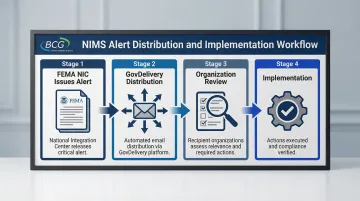
NIMS Alerts are professional bulletins issued by FEMA's National Integration Center (NIC), the federal entity responsible for maintaining and updating the National Incident Management System.
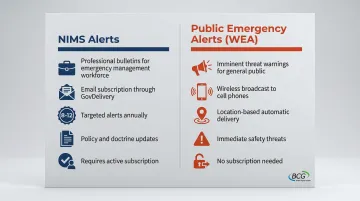
Unlike public warning systems that alert citizens to imminent threats, NIMS Alerts serve as the official communication channel for announcing doctrine changes, policy updates, and technical guidance to the emergency management workforce.
Alert Format and Structure
Each alert follows a strict YY-NN numbering convention:
- First two digits = sequential number within the calendar year
- Last two digits = year of issuance
- Example: NIMS Alert 01-16 was the first alert issued in 2016
- Example: NIMS Alert 16-20 was the sixteenth alert issued in 2020
FEMA distributes alerts through GovDelivery, a subscription-based email platform managed by Granicus.
This bulletin-style format typically includes the alert number, announcement headline, context for the update, links to referenced documents, and instructions for implementation or feedback.
Target Audience
NIMS Alerts reach the "Whole Community" of incident management practitioners:
- State, local, tribal, and territorial emergency managers
- First responders and incident command staff
- Emergency Operations Center personnel
- Private sector emergency management coordinators
- Non-governmental organizations involved in disaster response
- Elected and appointed officials with emergency management responsibilities
How NIMS Alerts Differ from Other FEMA Communications
Understanding these distinctions helps emergency managers prioritize the right information channels. NIMS Alerts are distinct from:
- Disaster declarations: Official announcements of federal assistance following specific incidents
- Wireless Emergency Alerts (WEA): Public safety messages broadcast to cell phones in affected geographic areas
- General FEMA updates: Broader communications about agency programs, funding opportunities, or disaster recovery
- Emergency alerts: Imminent threat warnings issued through the Integrated Public Alert and Warning System (IPAWS)
NIMS Alerts specifically address the professional framework for incident management, not individual emergencies or public warnings.
Types of NIMS Alerts and What They Announce
National Engagement Periods
These alerts solicit stakeholder feedback on draft doctrine before it becomes official policy. Engagement periods typically provide 30-60 days for public comment.
Key examples include:
- NIMS Alert 01-16 announced the National Engagement Period for the NIMS Refresh, allowing emergency management professionals to review and comment on proposed updates to the 2017 NIMS doctrine
- Feedback from these periods directly influences final guidance documents, ensuring practitioner input shapes national standards
New or Updated Guidance Documents
Once engagement periods conclude, the NIC releases finalized technical assistance documents and operational guides through NIMS Alerts. These documents provide actionable frameworks for specific incident types or management functions.
Recent releases include:
- NIMS Alert 23-22 released draft "Planning Considerations for Cyber Incidents" guidance for stakeholder review
- NIMS Alert 16-21 distributed "COVID-19 Pandemic Operational Guidance: All-Hazards Incident Response and Recovery" incorporating lessons learned from the first year of pandemic response
Resource Typing and Credentialing Updates
Beyond guidance documents, NIMS Alerts distribute standardized resource definitions that enable effective mutual aid during multi-jurisdictional incidents.
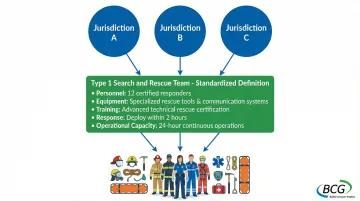
Resource typing ensures that when a jurisdiction requests a "Type 1" team, they receive resources with known, consistent capabilities. NIMS Alert 04-14, for example, released Search and Rescue Resource Typing Definitions to standardize capabilities across agencies. These definitions support the National Qualification System (NQS) for personnel credentialing.
Incident management systems like Buffalo Computer Graphics' DLAN platform—the first and only system evaluated by FEMA's NIMS STEP program as fully compliant—integrate these resource typing standards directly into operational workflows.
Training Program Updates
NIMS Alerts also announce changes to training requirements and new course materials. Training updates help organizations maintain current certification and meet federal grant requirements.
NIMS Alert 16-20, for instance, released instructor-led training materials for IS-700.b "An Introduction to the National Incident Management System," including instructor guides, participant workbooks, and presentation slides.
Why NIMS Alerts Matter for Emergency Management
Federal Grant Compliance Requirements
NIMS compliance isn't voluntary for organizations seeking federal preparedness funding.
The FY 2024 Homeland Security Grant Program Notice of Funding Opportunity clearly states that "prior to allocation of any federal preparedness awards, recipients must ensure and maintain adoption and implementation of NIMS."
NIMS Alerts serve as the mechanism for announcing specific implementation objectives that jurisdictions must meet:
- Missing an alert about new implementation requirements can jeopardize grant eligibility
- Organizations must demonstrate active progress toward achieving NIMS objectives
- Compliance is validated through the Threat and Hazard Identification and Risk Assessment (THIRA) and Stakeholder Preparedness Review (SPR) processes
Interoperability and Multi-Jurisdictional Coordination
Beyond compliance, NIMS Alerts drive the standardization necessary for seamless mutual aid operations.
When multiple agencies from different jurisdictions respond to the same incident, they need common terminology, organizational structures, and resource definitions to work together effectively.
Resource Typing Definitions distributed through NIMS Alerts ensure that requested resources arrive with expected capabilities, preventing dangerous mismatches during emergency operations. This standardization directly supports the National Qualification System, which credentials personnel based on these definitions.
Lessons Learned Integration
NIMS Alerts also serve as the feedback loop for the National Preparedness System, incorporating real-world experience into updated doctrine.
Following major incidents, the NIC analyzes after-action reports and issues alerts to update guidance based on what worked and what didn't.
The 2016 NIMS Refresh alert explicitly cited lessons from real-world incidents as a primary driver for updates, ensuring the framework evolves with operational experience rather than remaining static.
How to Subscribe to NIMS Alerts
Step-by-Step Subscription Process
- Visit the FEMA NIMS website at fema.gov/emergency-managers/nims
- Locate the subscription link under "Connect" or "Get Started" sections (labeled "Subscribe to our email alerts")
- Access the GovDelivery portal where you'll be redirected to public.govdelivery.com
- Enter your email address and click "Submit"
- Select notification preferences by expanding "Emergency Management" or "National Preparedness" categories
- Check the NIMS Alerts box to receive bulletins specifically about the National Incident Management System, then confirm your subscription
Customizing Your Notification Preferences
Once subscribed, you can customize your alert settings:
- Subscribe to NIMS Alerts exclusively without receiving all FEMA communications
- Add additional topics like specific grant programs or disaster types
- Update your preferences at any time through the subscription management portal
- Unsubscribe from specific categories while maintaining others
What to Expect After Subscribing
NIMS alerts are low-volume but high-impact. Expect approximately 8-12 alerts annually focusing on significant policy shifts and guidance releases.
National engagement periods typically provide 30-60 days for public review and comment on draft documents. Each alert includes direct links to referenced guidance documents, training materials, and implementation resources hosted on FEMA.gov.
Accessing Archived NIMS Alerts
Need to review past updates? Historical bulletins are available through multiple sources:
- Archives are maintained on the GovDelivery platform
- The FEMA NIMS website links to past bulletins under "News and Updates"
- Search by date or topic to find specific alerts
- Review archived alerts to identify any missed implementation requirements
Avoiding Common Subscription Issues
To ensure uninterrupted alert delivery:
- Add GovDelivery to your whitelist – Prevent alerts from being blocked by firewalls or spam filters
- Coordinate with IT departments – Government agencies often have strict email filtering that may block external communications
- Subscribe multiple team members – Designate a primary NIMS coordinator but include backup contacts to ensure continuity
Implementing NIMS Guidance in Your Organization
Establish a Review and Dissemination Process
Receiving alerts is only the first step. Organizations need structured processes to:
- Designate a NIMS coordinator who serves as the point of contact for implementation
- Review each alert within 5 business days to determine applicability and urgency
- Disseminate relevant information to appropriate staff, leadership, and partner agencies
- Document review and action to demonstrate compliance during grant audits
Assess Guidance Against Current Procedures
When new NIMS guidance arrives:
- Compare new requirements to existing Emergency Operations Plans, Standard Operating Procedures, and training curricula
- Identify gaps between current practices and updated standards
- Prioritize updates based on compliance requirements and operational impact
- Schedule revisions to plans, policies, and training programs
Apply NIMS Principles with Compliant Technology
Once you've assessed gaps in your procedures, the next step is ensuring your technology supports NIMS implementation. Compliance extends beyond policies and training to the incident management systems used during actual response operations.
Organizations need platforms that support NIMS principles like common terminology, unified command, and resource management. When your technology aligns with required frameworks from the start, implementing new guidance from NIMS Alerts becomes significantly easier.
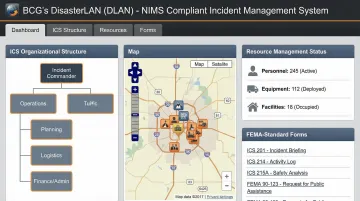
BCG's DisasterLAN (DLAN) is the first and only incident management system evaluated by FEMA's NIMS STEP program as fully compliant with NIMS and ICS principles.
The independent FEMA evaluation found DLAN consistent with all 24 NIMS concepts and principles, including emergency support, communications and information management, resource management, and command and management. The system follows FEMA's Incident Command System across all software areas, incorporating ICS forms and Incident Action Plans that align with FEMA standards.
Actionable Implementation Steps
Immediate Actions:
- Subscribe to NIMS Alerts if you haven't already
- Designate a NIMS coordinator with responsibility for monitoring alerts
- Review the last 12 months of archived alerts to identify any missed guidance
Ongoing Actions:
- Establish a 5-day review process for each new alert
- Schedule quarterly training updates to incorporate new guidance
- Conduct annual reviews of Emergency Operations Plans against current NIMS standards
- Ensure incident management technology supports NIMS compliance requirements
Long-Term Actions:
- Participate in national engagement periods to influence future guidance
- Share lessons learned with FEMA to contribute to doctrine evolution
- Coordinate with regional partners to ensure consistent NIMS implementation across jurisdictions
Frequently Asked Questions
Does FEMA send text messages?
FEMA operates two distinct alert systems. Wireless Emergency Alerts (WEA) reach all compatible phones in affected areas during imminent threats like severe weather—no subscription required. NIMS Alerts are email communications sent through GovDelivery to subscribed emergency management personnel only.
How do I subscribe to FEMA texts?
NIMS Alerts use email subscriptions through GovDelivery, not text messages. Public emergency alerts via Wireless Emergency Alerts reach phones automatically based on location during emergencies—no subscription needed.
What happens if I miss a NIMS alert?
Access missed alerts through the FEMA NIMS website archive or GovDelivery bulletin archive at fema.gov/emergency-managers/nims. For missed implementation deadlines, contact your FEMA Regional NIMS Coordinator for technical assistance.
How often does FEMA issue NIMS alerts?
FEMA issues NIMS Alerts 8-12 times per year based on policy updates and guidance releases—not on a fixed schedule. Frequency increases during major doctrine updates or after significant incidents requiring immediate distribution.
Do NIMS alerts apply to private sector and nonprofit organizations?
Yes. NIMS applies to the "Whole Community"—private sector, nonprofits, and NGOs involved in emergency management. Organizations that participate in incident response, receive federal preparedness funding, or coordinate with government emergency management should subscribe.